Reduce Mining Data Silos: From Fragmented Systems to a Unified Data Platform
Smarter Mining 2026
Mining organisations in 2026 are under more pressure than ever to align operations, safety, ESG and finance under one data-driven strategy.
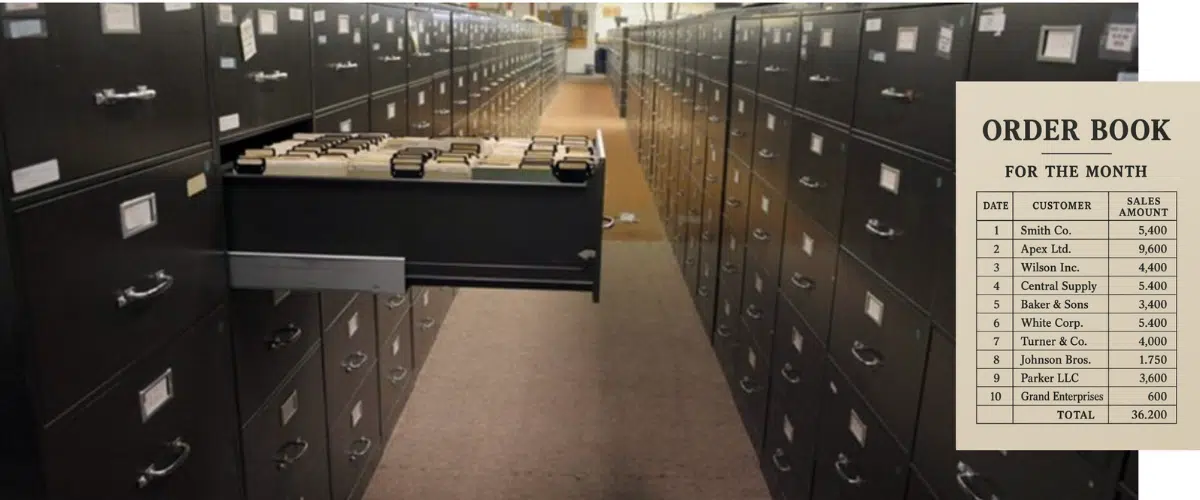
For most, the barrier hasn’t changed: operational, maintenance, financial and environmental data still sits in disconnected systems, spreadsheets and reporting platforms. That fragmentation slows decisions, undermines confidence in dashboards, and limits an organisation’s ability to forecast and act proactively.
The costs of siloed data
When data is siloed, the same issues keep surfacing across the sector:
- Delayed decision-making. Manual reconciliation and batch reporting introduce delays of hours, days or weeks. Leaders end up acting on outdated or inconsistent information.
- Reduced operational efficiency. Engineers and analysts spend more time reconciling spreadsheets than improving mine performance. Shift planning meetings start with debates over whose numbers are right, not with action.
- Compromised safety and ESG monitoring. Without timely, trusted data, maintenance issues go undetected, safety risks are missed, and ESG reporting lags behind regulatory expectations.
- Financial risk. Siloed data leads to misaligned capital allocation, making it harder to protect margins or know where spend is actually delivering a return.
In short: fragmented data reduces mining teams ability to act quickly, optimise operations, and hold a consistent standard across safety, ESG and financial performance.
Creating a single source of truth
The first step toward better outcomes is establishing a unified data foundation.
Mining organisations can achieve this by connecting operational, maintenance, financial, and ESG systems into a structured, governed framework.
The fix isn’t more dashboards — it’s a governed foundation underneath them.
Mining organisations achieve this by connecting operational, maintenance, financial and ESG systems into a structured, layered data architecture, typically aligned to ISA-95 principles:
- A standardised data model. Common definitions and KPIs across production, maintenance, finance and ESG, so every dashboard reflects the same version of the truth.
- Automated dataflows. Event-driven and scheduled pipelines that remove manual uploads entirely — fewer errors, faster reporting, more analyst time back.
- Governed, role-based access. Sensitive financial, operational and ESG data stays secure while remaining accessible to the teams who need it.
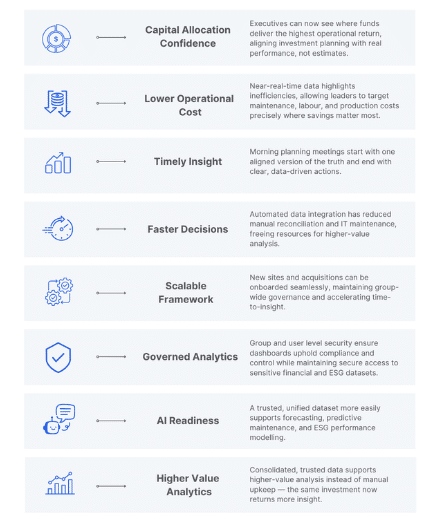
- A scalable architecture. New sites and acquisitions can be onboarded in days, not months, without breaking governance.
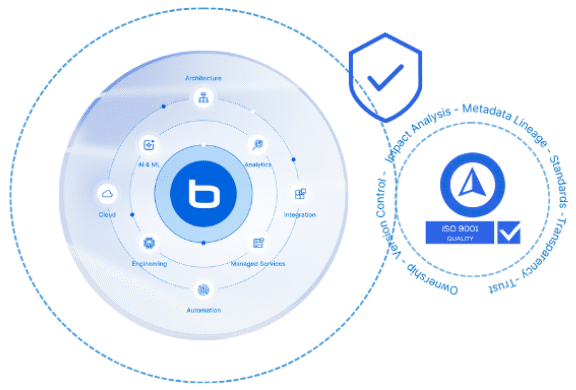
- Data lineage and version control. Clear ownership, a central glossary for metric definitions, and visibility into downstream impact when source systems change.
Done properly, this shifts an organisation from reactive reporting to proactive intelligence. Corporate decision-making and mine-site systems work off the same near-real-time picture.
What changes on the ground
Once a unified, governed data environment is in place, the results show up across four areas:
- Operational efficiency — near-real-time visibility surfaces inefficiencies in production, maintenance and labour allocation, so teams act immediately instead of after the fact.
- Financial performance — consolidated, trusted data lets executives see where capital delivers the highest operational return, aligning investment planning with actual performance rather than estimates.
- Safety and risk — predictive maintenance and timely monitoring reduce downtime and support workforce safety, catching hazards before they escalate.
- ESG transparency — integrated environmental and social data supports auditable, investor-ready reporting without a scramble at quarter-end.
Morning planning meetings start to look different too: one aligned dashboard instead of three conflicting reports, and the conversation moves straight to action.
The business case for governed data
High-quality, governed data is no longer optional—it’s a strategic asset. Mining organisations that manage fragmented data effectively can:
- Make faster, evidence-based decisions
- Reduce operational and reporting costs
- Improve safety and ESG outcomes
- Optimise capital allocation and financial planning
- Enable predictive analytics and AI-ready operations
Turning fragmented data into a single source of truth doesn’t just fix a reporting headache; it becomes the foundation for AI and predictive analytics that a mining organisation can actually trust.
Where to start
Start with an honest assessment of the current data landscape: where the silos actually are, which systems don’t talk to each other, and what governance is missing. From there, sequencing integration, standardisation and governance work — before layering on dashboards and predictive models — is what separates a project that sticks from one that reverts to spreadsheets within six months.
Case study
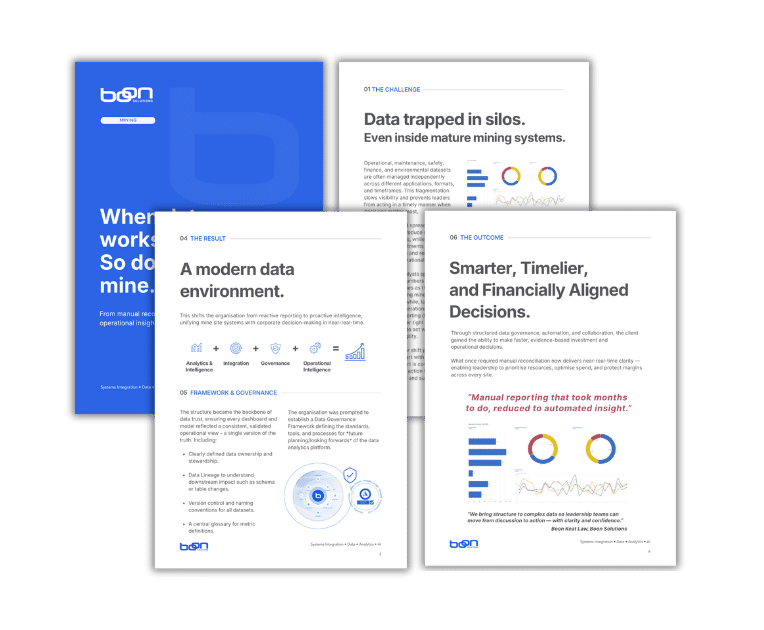
Mining Case Study: When Data Works Together, So Does The Mine
By consolidating data in this way, mining companies can ensure that dashboards, reports, and predictive models reflect accurate, real-time information—empowering leadership to act confidently.
Article
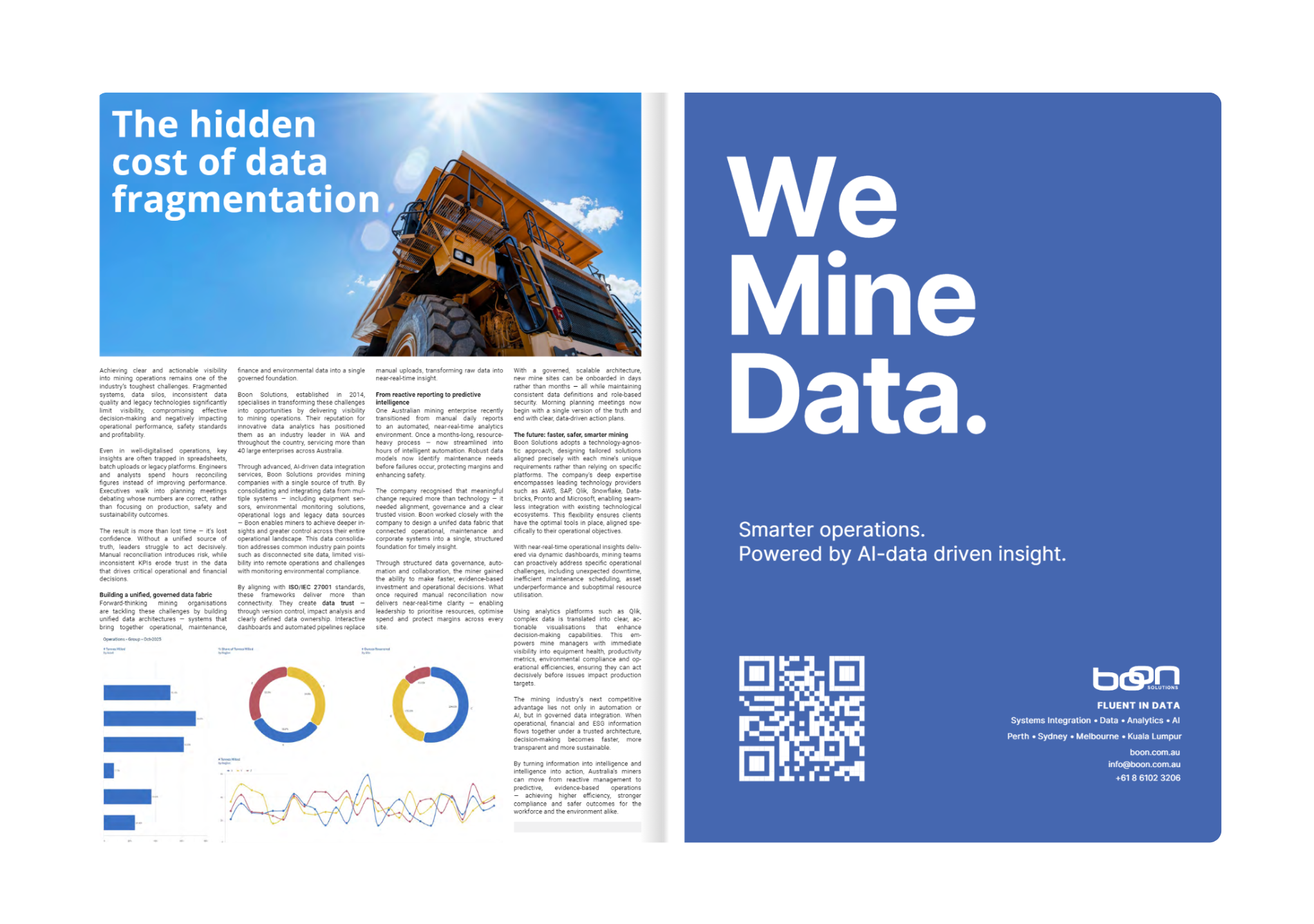
Australian Mining Review: The Hidden Cost of Fragmented Data
The fragmentation challenge was recently highlighted in Australian Mining Review’s article of data silos in mining operations.
Ready to reduce your data silo reporting?
Connect with us to explore how we can help.